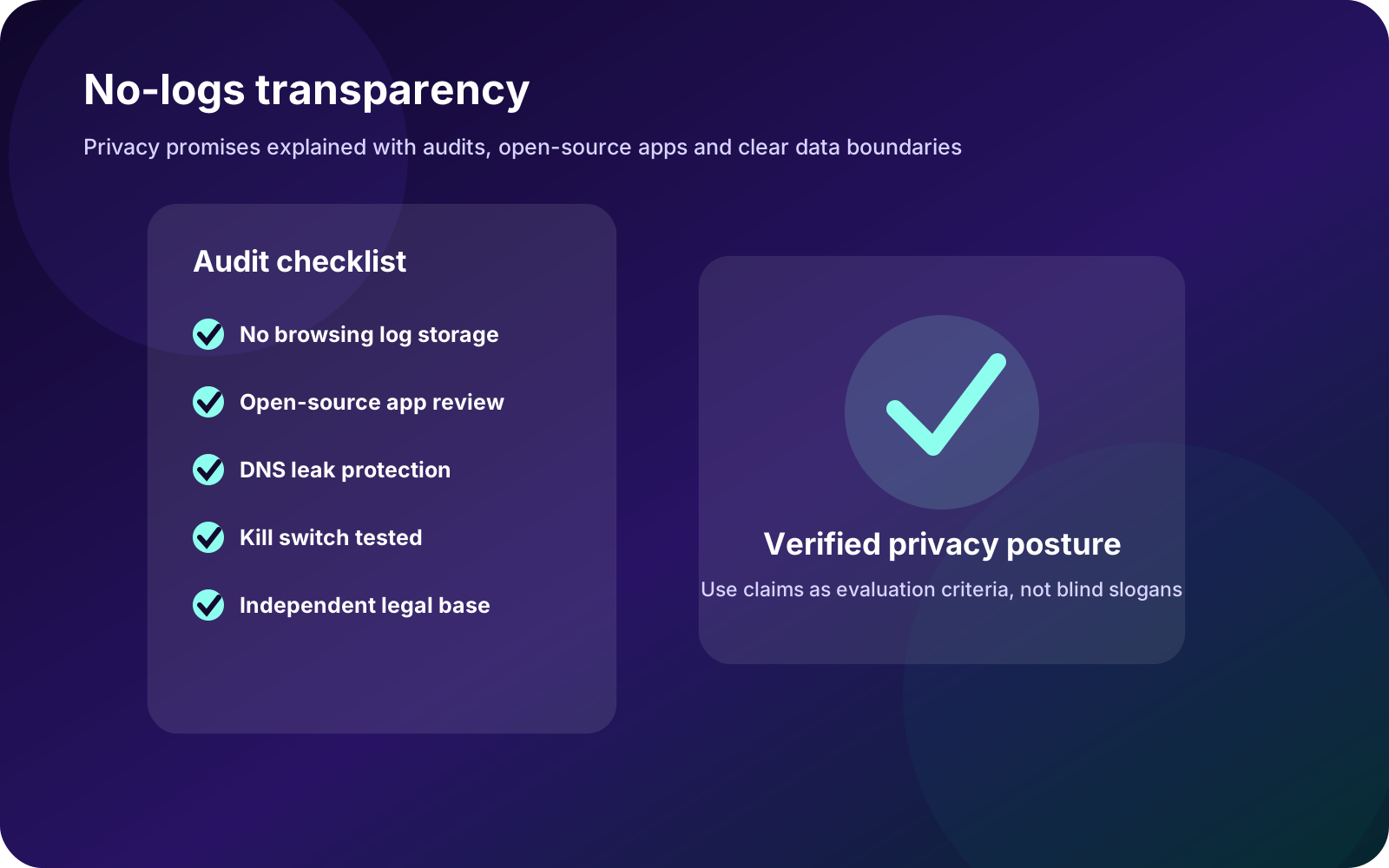
Strict no-logs policy
The most important VPN promise is not only speed but whether it stores data that can reconstruct browsing behavior.
 Proton VPN
 Features
This feature page explains the questions users actually ask: no logs, Secure Core, NetShield, Kill Switch, speed numbers and device coverage.
Core features
The cards are intentionally detailed so users understand the risk and use case behind every label.
The most important VPN promise is not only speed but whether it stores data that can reconstruct browsing behavior.
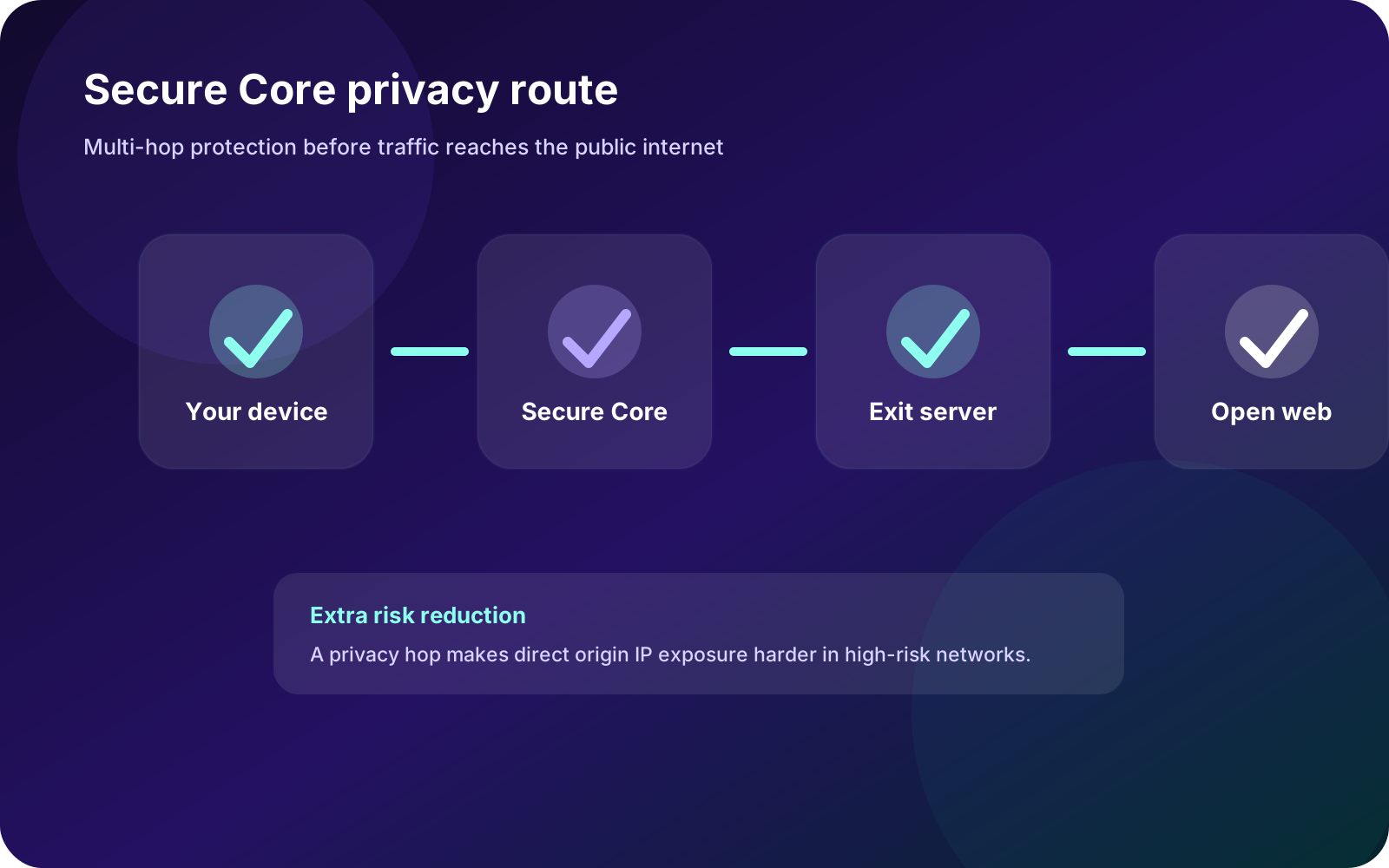
Traffic can route through privacy-friendly core servers before reaching exit nodes, reducing exposure in higher-risk conditions.
DNS-level filtering helps block ads, trackers and malicious domains before pages finish loading.
Protocol optimization and routing improvements help long-distance connections keep more usable speed.
If the VPN drops, Kill Switch prevents traffic from falling back to an unprotected connection.
Scenario-based nodes make it easier to choose routes for video, file transfer, games and remote work.
Secure Core
Users can misunderstand Secure Core. It reduces exit-node exposure for sensitive routes, but it can add latency.
Scenario choice
A long page should tell users how to combine features by real scenario.
Enable auto-connect, Kill Switch, DNS leak protection and NetShield.
Choose target-country nodes and compare latency and throughput.
Use Secure Core and accept some speed tradeoff for stronger route privacy.
Prioritize low latency and high throughput routes.
Feature visuals
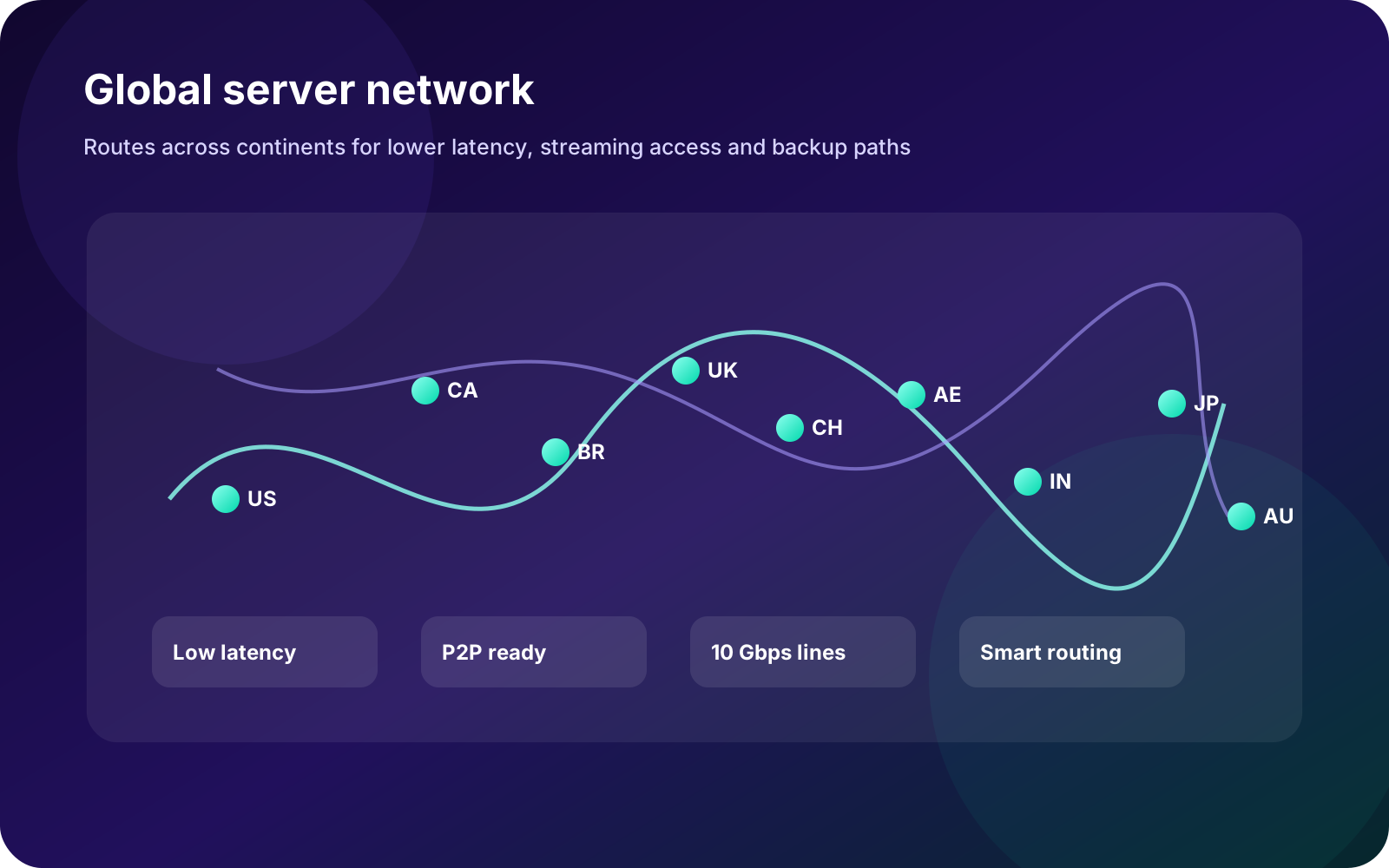
Server choice gives users alternate routes for different regions, ISPs and use cases.
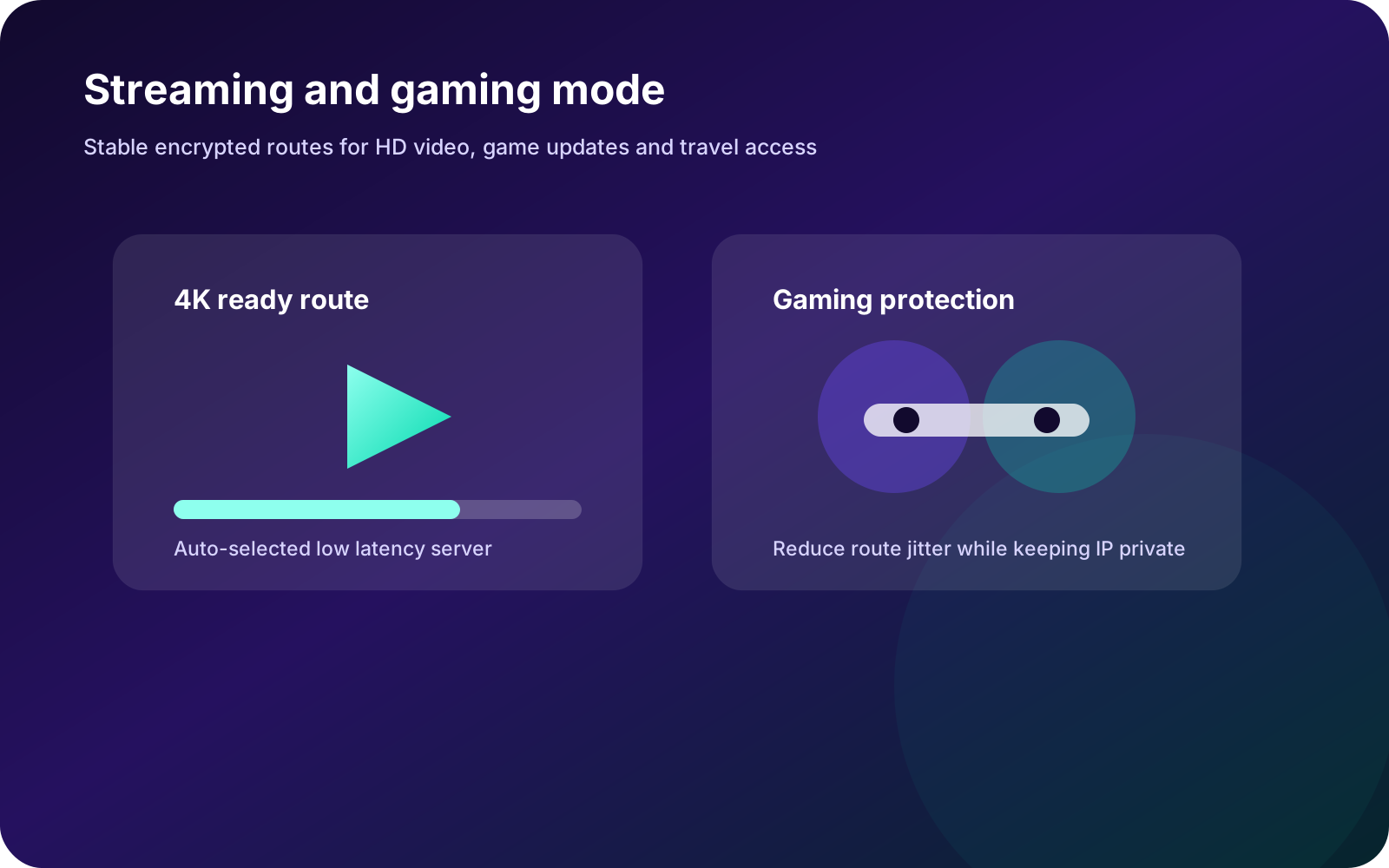
Video needs throughput, games need latency, calls need stability.
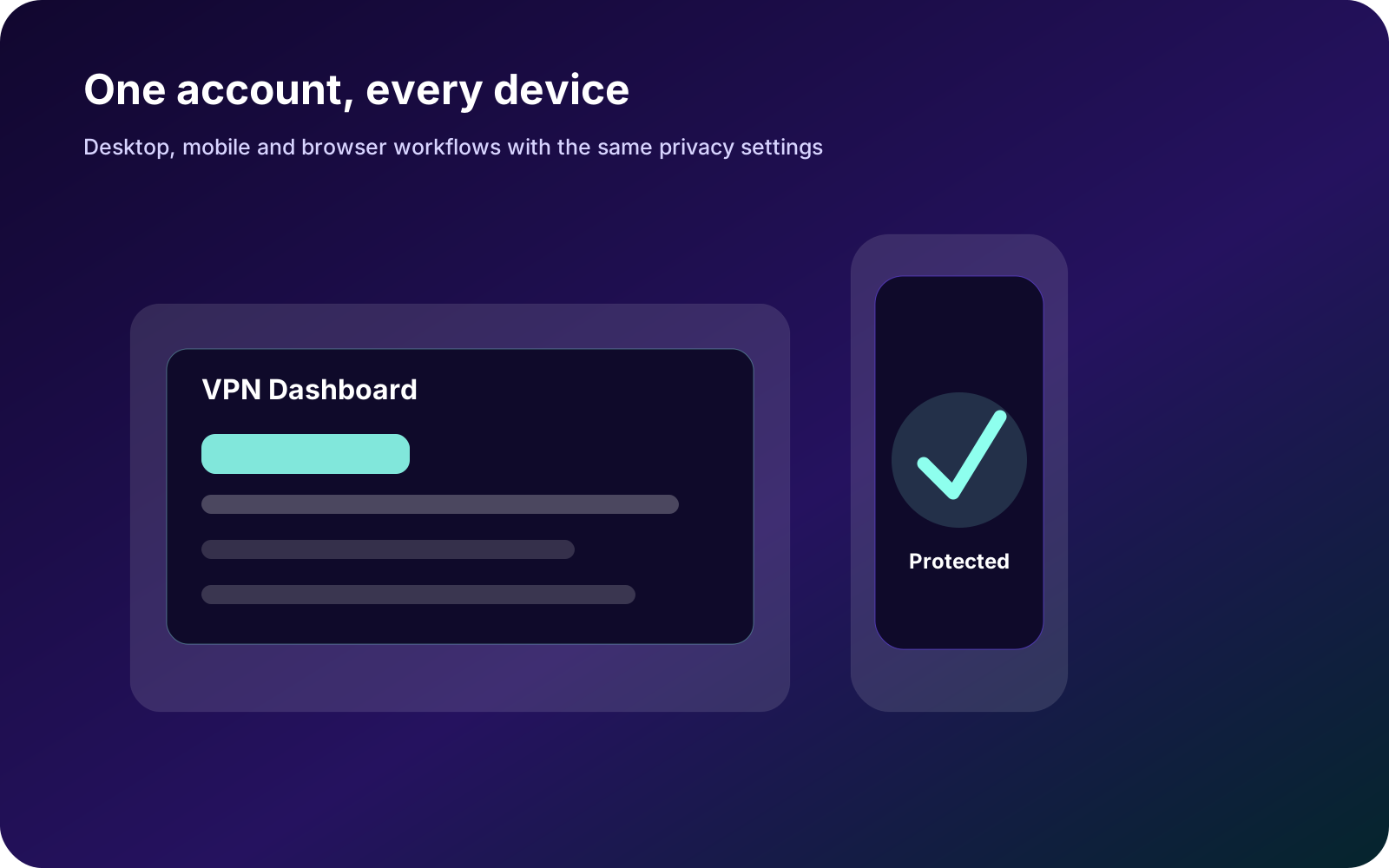
Desktop, mobile, browser and TV entry points reduce drop-off during download.
FAQ
Usually server choice, congestion, streaming/P2P support, Secure Core, connected devices and advanced security controls.
Encryption and routing add overhead, but high-quality nodes, close locations and protocol optimization can reduce the impact.
No. It means the provider does not store browsing logs, but websites, accounts, payment methods and browser fingerprints can still identify you.